
UK Insulin Resistance Diet: A Practical Guide to Managing Your Health

Living with insulin resistance can feel overwhelming at times. But the good news is, you have the power to influence your health through the food you eat. In this post, I’ll walk you through effective UK diet plans for insulin resistance, helping you make choices that support your body and hormone balance. Let’s explore how simple changes can make a big difference.
Understanding the UK Insulin Resistance Diet
When it comes to managing insulin resistance, diet plays a crucial role. The UK insulin resistance diet focuses on stabilising blood sugar levels and improving your body's response to insulin. This means choosing foods that release energy slowly and avoiding those that cause spikes in blood sugar.
You might wonder, what does this look like in practice? It’s about embracing whole, unprocessed foods, plenty of fibre, and balanced meals. For example, swapping white bread for wholegrain options or choosing fresh vegetables over processed snacks can help keep your insulin levels steady.
Here are some key principles to keep in mind:
Prioritise low glycaemic index (GI) foods: These release glucose slowly.
Include healthy fats: Such as olive oil, nuts, and seeds.
Eat lean proteins: Like chicken, fish, and plant-based sources.
Increase fibre intake: Vegetables, legumes, and whole grains are your friends.
Limit added sugars and refined carbs: These can worsen insulin resistance.
If you want a structured approach, you might find an insulin resistance diet plan uk helpful. It offers tailored meal ideas and shopping lists designed for your needs.

What are the worst foods for insulin resistance?
Knowing what to avoid is just as important as knowing what to eat. Some foods can make insulin resistance worse by causing rapid blood sugar spikes or increasing inflammation.
Here are some of the worst offenders:
Sugary drinks and sodas: These cause immediate blood sugar surges.
Refined carbohydrates: White bread, pastries, and many breakfast cereals.
Highly processed snacks: Crisps, biscuits, and sweets.
Fried and fast foods: Often high in unhealthy fats and calories.
Excessive alcohol: Can interfere with blood sugar control.
Cutting back on these foods doesn’t mean you have to feel deprived. Instead, think of it as making room for more nourishing options that support your hormone health.
Practical Tips for Following a UK Insulin Resistance Diet
Changing your eating habits can feel challenging, but small steps add up. Here are some practical tips to help you stay on track:
Plan your meals ahead: This reduces the temptation to grab unhealthy options.
Cook at home more often: You control the ingredients and portion sizes.
Keep healthy snacks handy: Nuts, seeds, or vegetable sticks can curb cravings.
Stay hydrated: Water supports metabolism and overall health.
Experiment with herbs and spices: They add flavour without extra calories or sugar.
Remember, consistency is key. You don’t have to be perfect every day. Focus on progress, not perfection.
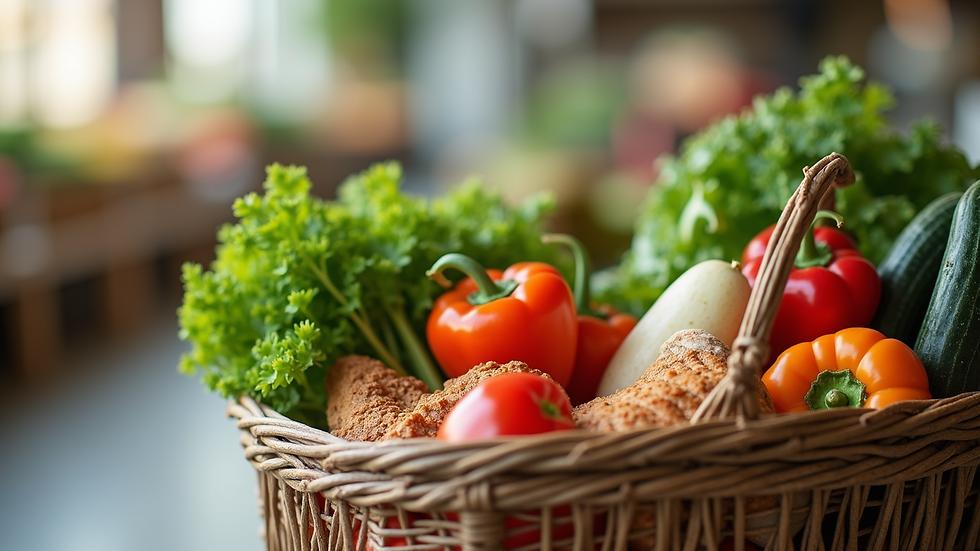
How to Build a Balanced Meal for Insulin Resistance
Creating balanced meals is easier than you might think. Aim to fill your plate with a mix of:
Protein: Helps keep you full and supports muscle health.
Fibre-rich carbohydrates: Such as lentils, beans, and whole grains.
Healthy fats: Avocado, nuts, and olive oil.
Non-starchy vegetables: Broccoli, spinach, peppers, and more.
For example, a lunch plate could include grilled salmon, quinoa, and a colourful salad with olive oil dressing. This combination provides steady energy and supports insulin sensitivity.
Try to avoid large portions of starchy carbs alone, like pasta or potatoes, without protein or fibre. Pairing foods thoughtfully helps slow digestion and keeps blood sugar stable.
Staying Motivated on Your Insulin Resistance Journey
Managing insulin resistance is a journey, not a quick fix. It’s normal to face ups and downs. Here are some ways to stay motivated:
Set realistic goals: Small, achievable targets keep you encouraged.
Track your progress: Use a journal or app to note how you feel and what you eat.
Seek support: Whether from friends, family, or healthcare professionals.
Celebrate successes: Every positive change is worth recognising.
Remember, you’re investing in your long-term health and wellbeing. Each healthy choice is a step towards feeling better and more in control.
I hope this guide helps you feel more confident about managing insulin resistance through diet. By focusing on nourishing, balanced meals and avoiding harmful foods, you can support your hormone health effectively. If you want more personalised advice, consider exploring an insulin resistance diet plan uk tailored to your needs. Your health journey is unique, and with the right tools, you can thrive.



Comments